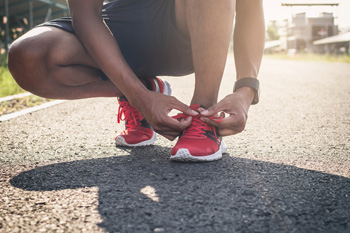
Selecting the right running shoes is important for comfort, performance, and injury prevention. Foot structure plays a major role in determining the best type of shoe for each person. Individuals with pronated feet, where the arch collapses inward, often benefit from maximum support running shoes that help control motion and improve alignment. Those with neutral feet typically do well with cushioned neutral shoes that provide balanced support and shock absorption. People with supinated feet, where the arch is high and the foot rolls outward, may need structured cushioned or stability shoes to help distribute pressure more evenly. Wearing the wrong type of shoe can lead to pain in the feet, ankles, knees, and lower legs over time. A podiatrist can evaluate foot mechanics and gait patterns and recommend the most appropriate footwear. If you have foot pain from running, it is suggested that you consult a podiatrist who treats various foot and ankle conditions and guide you on which shoes to wear.
For more information about walking shoes versus running shoes, consult with one of our podiatrists from Parkwood Podiatry. Our doctors can measure your feet to determine what your needs are and help you find an appropriate pair of footwear.
Foot Health: The Differences between Walking & Running Shoes
There are great ways to stay in shape: running and walking are two great exercises to a healthy lifestyle. It is important to know that running shoes and walking shoes are not interchangeable. There is a key difference on how the feet hit the ground when someone is running or walking. This is why one should be aware that a shoe is designed differently for each activity.
You may be asking yourself what the real differences are between walking and running shoes and the answers may shock you.
Differences
Walking doesn’t involve as much stress or impact on the feet as running does. However, this doesn’t mean that you should be any less prepared. When you’re walking, you land on your heels and have your foot roll forward. This rolling motion requires additional support to the feet.
Flexibility – Walking shoes are designed to have soft, flexible soles. This allows the walker to push off easily with each step.
If you have any questions, please feel free to contact our offices located in Brunswick and Hinesville, GA . We offer the newest diagnostic and treatment technologies for all your foot care needs.
